The Port of Singapore has been a pioneer in harbor drone services since 2018, initiating trials for a cargo-drone delivery system for ships at anchor. While it fosters a conducive environment for research and development, Singapore also leads in drone security regulations to mitigate risks associated with UAV-based sabotage or espionage. Seafarers launching personal drones near the harbor, particularly close to Changi Airport, face significant penalties, including hefty fines and potential jail time for serious violations.
The Civil Aviation Authority of Singapore (CAAS) enforces strict regulations governing UAV operations over land and water. Drones are prohibited from flying over crowds, near roads, or close to first responders, with a maximum altitude of 200 feet. Additionally, drone activity is restricted within a five-kilometer radius of airports unless prior permission is obtained. Violators can incur fines up to $39,000 or face imprisonment for up to two years.
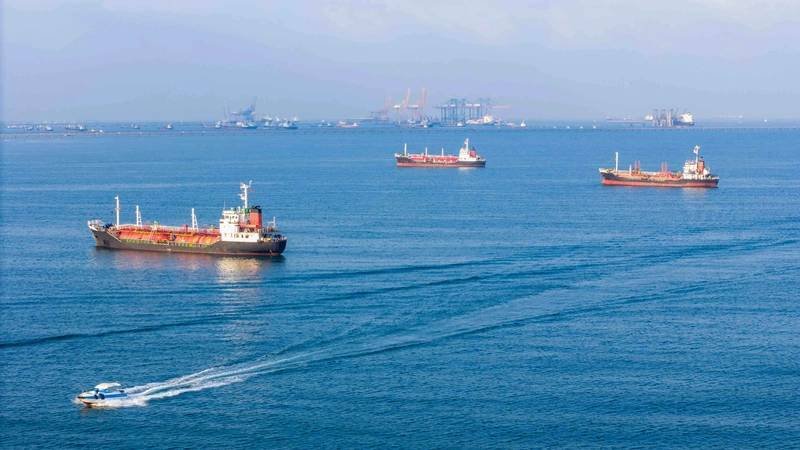
Recent incidents highlight the enforcement of these regulations, with two seafarers penalized over the summer for operating drones in restricted areas. One individual was fined $4,000 for flying a drone at 140 feet near Eastern Petroleum Bravo Anchorage, while another was fined $2,300 for flying at 240 feet in the Eastern Petroleum Charlie Anchorage, both locations being close to Changi Airport.
Despite stringent regulations, the Maritime and Port Authority of Singapore (MPA) supports commercial drone technology. It has established designated “testbed” anchorages for drone research and development, allowing major maritime companies to trial new technologies in a controlled environment. Additionally, the MPA has created a formal launchpad for UAV testing, making it one of the few ports globally to sponsor such initiatives.