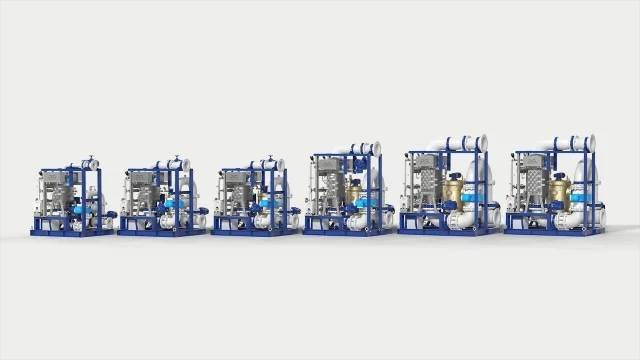
Alfa Laval urges the marine industry to enhance efficiencies and resilience through proactive heat exchanger maintenance, as outlined in their new report, “Ask the HEXperts.” The whitepaper emphasizes that proper servicing of heat exchangers can provide a significant competitive advantage. Research indicates that a single fouled heat exchanger can lead to losses exceeding €12,000 within two months, along with an additional 175 tons of CO2 emissions. Over time, heat transfer efficiency declines due to fouling, which escalates operating costs and carbon output while increasing the likelihood of equipment failure.
Regular maintenance can restore heat transfer efficiency by cleaning, reconditioning, and replacing components like gaskets. This not only helps marine businesses regain a competitive edge but also reduces overheads and carbon footprints. Alessandro Bracco, Managing Director of Alfa Laval UK and Ireland, highlights the importance of focusing on controllable factors in a challenging market, citing heat exchangers as prime examples. He notes that many companies still operate their heat exchangers until failure, which he deems a false economy. Proactive servicing allows for planned downtime and can yield transformative efficiency savings.
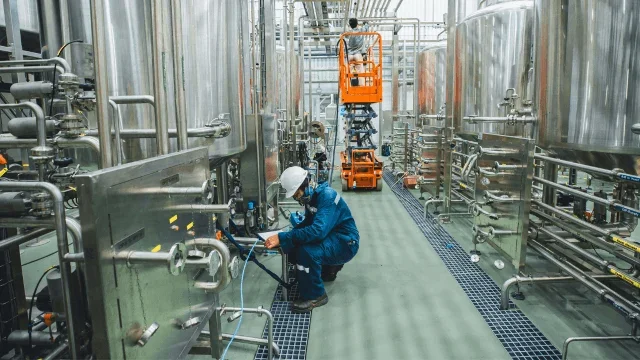
The report includes a thorough analysis of the current energy market, comparisons of reactive versus proactive maintenance strategies, a detailed servicing process, and real-life case studies from Alfa Laval partners. With service centers in nearly 100 countries, including a comprehensive facility in Camberley, Surrey, Alfa Laval employs a rigorous 10-step servicing process, featuring unique methods such as non-destructive testing to identify hidden cracks. Bracco concludes by emphasizing that servicing may be the key to navigating tightening decarbonization targets, rising energy costs, and increased global competition, urging businesses to consult the “HEXperts” for insights on optimizing their heat exchanger maintenance.