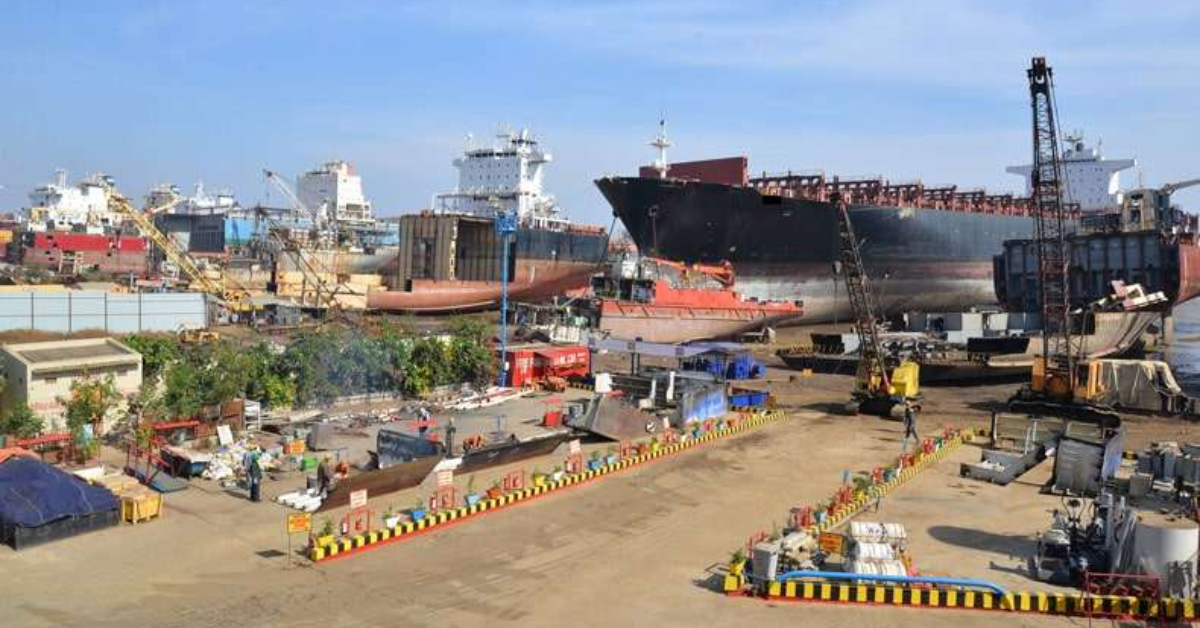
On August 14, a tragic incident during a ship recycling operation in Chattogram resulted in the loss of ten workers, reigniting concerns regarding safety standards in the ship recycling industry. While investigations will determine accountability, the scale of this tragedy is unacceptable, and it is crucial to analyze how the accident transpired. This includes examining potentially overlooked risks in existing assessments to prevent future occurrences.
Historically, the maritime sector has implemented strong controls for enclosed space operations, including atmosphere testing and emergency protocols. However, the recent incident, which involved workers outside an enclosed area when hazardous gas was released, highlights the need for the industry to reassess its safety measures earlier in the process. The presence of hydrogen sulfide can create lethal conditions even outside a tank, underscoring that perceived safety in open areas can be deceiving.
Moreover, prolonged biological activity within ballast tanks can lead to dangerous conditions, with risks changing over time. Although the facility operated under recognized certification protocols, the accident serves as a reminder that safety assessments must adapt to evolving operational realities. Rescue protocols must also be improved, involving trained personnel and realistic drills to ensure that quick, effective responses can be made in toxic gas scenarios. Ultimately, the lessons learned from this tragedy should resonate across the entire maritime industry, emphasizing the need for comprehensive safety measures that extend prior to any job execution.