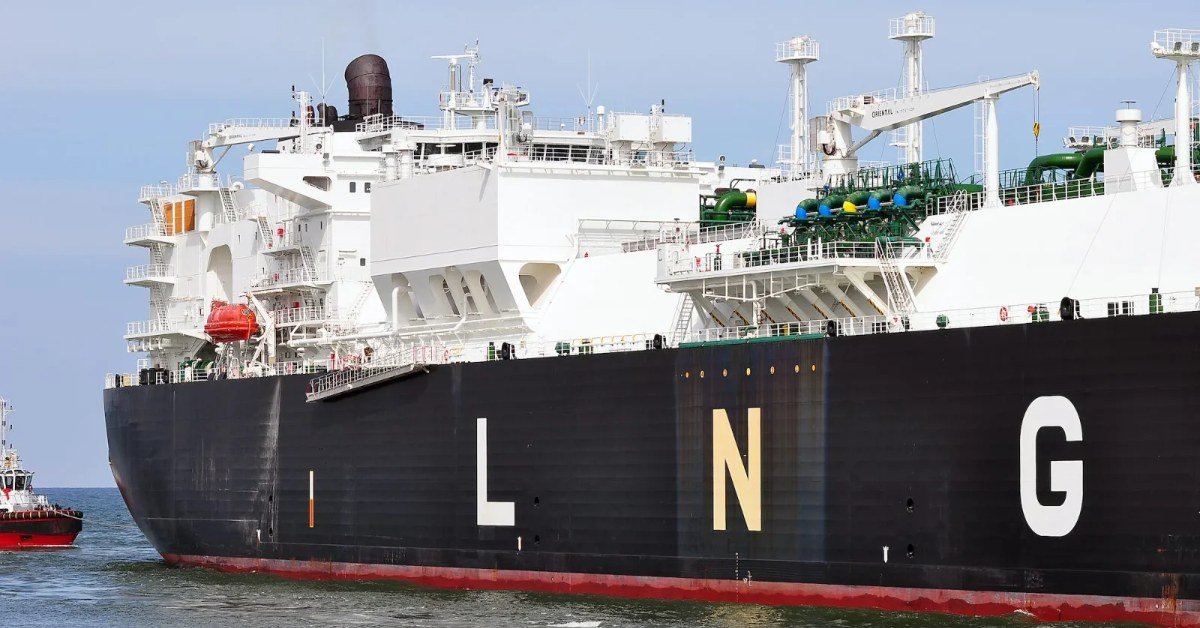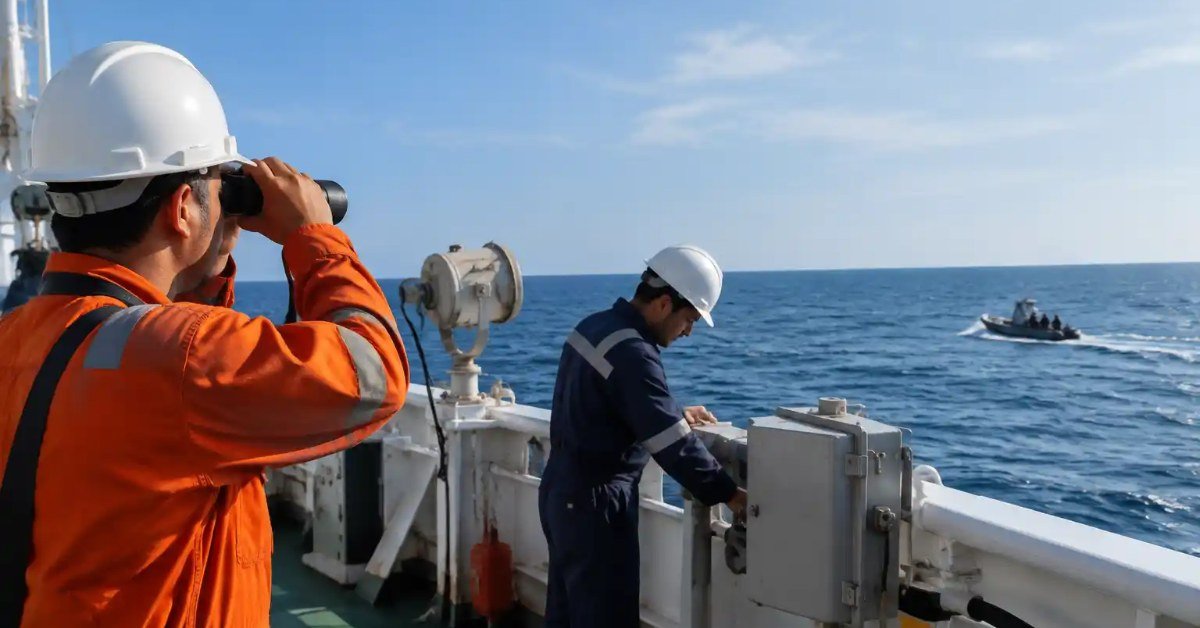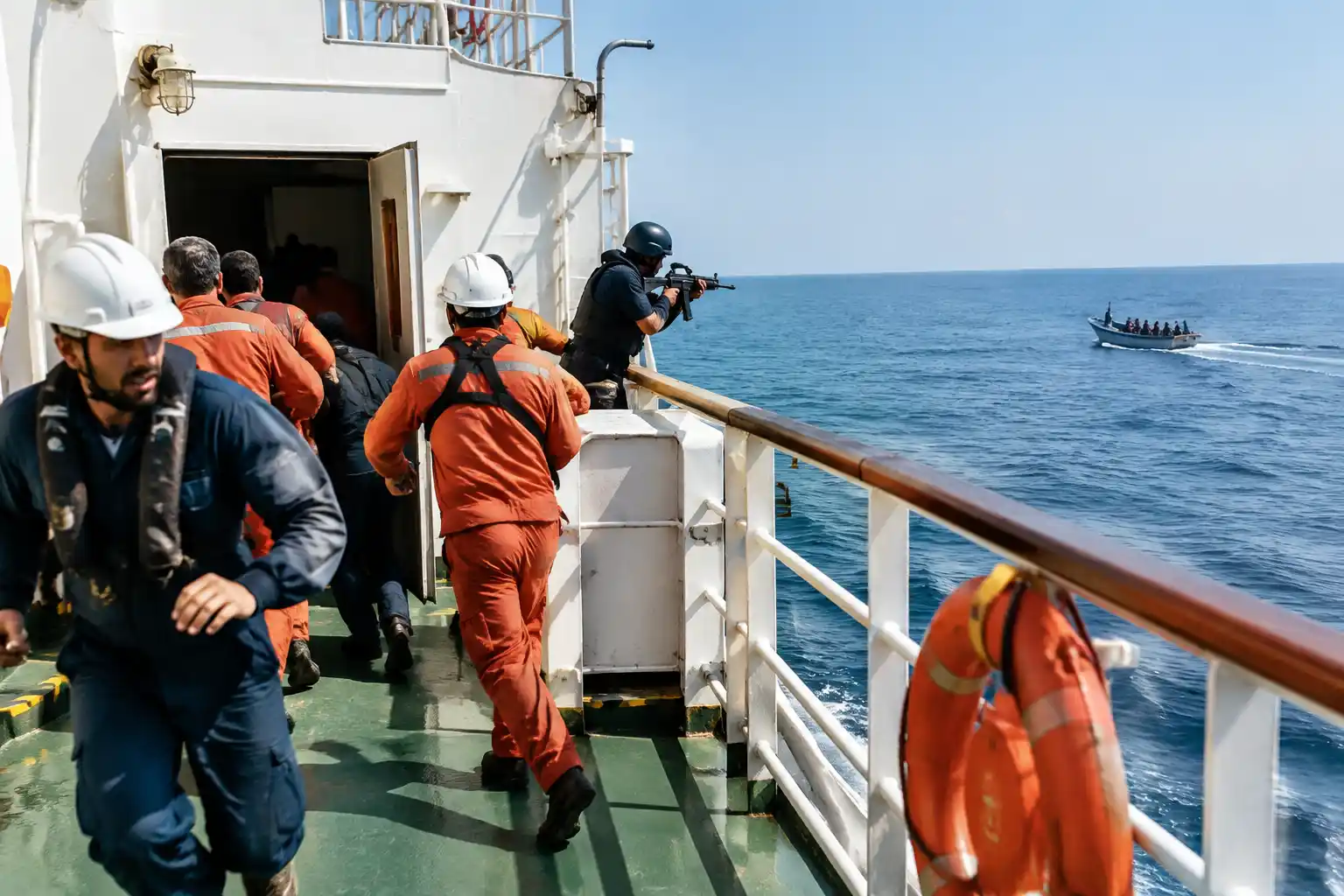
The Egyptian Maritime Safety Authority has issued an urgent directive aimed at enhancing security and precautionary measures for commercial vessels, in response to increasing threats of armed conflict, piracy, and kidnapping targeting Egyptian sailors. The directive stresses the importance of avoiding high-risk areas whenever feasible and mandates compliance with international maritime safety agreements, including the International Convention for the Safety of Life at Sea (SOLAS), the International Ship and Port Facility Security (ISPS) Code, and the Maritime Labour Convention. Non-compliance with these protocols could expose operators to significant legal liabilities.
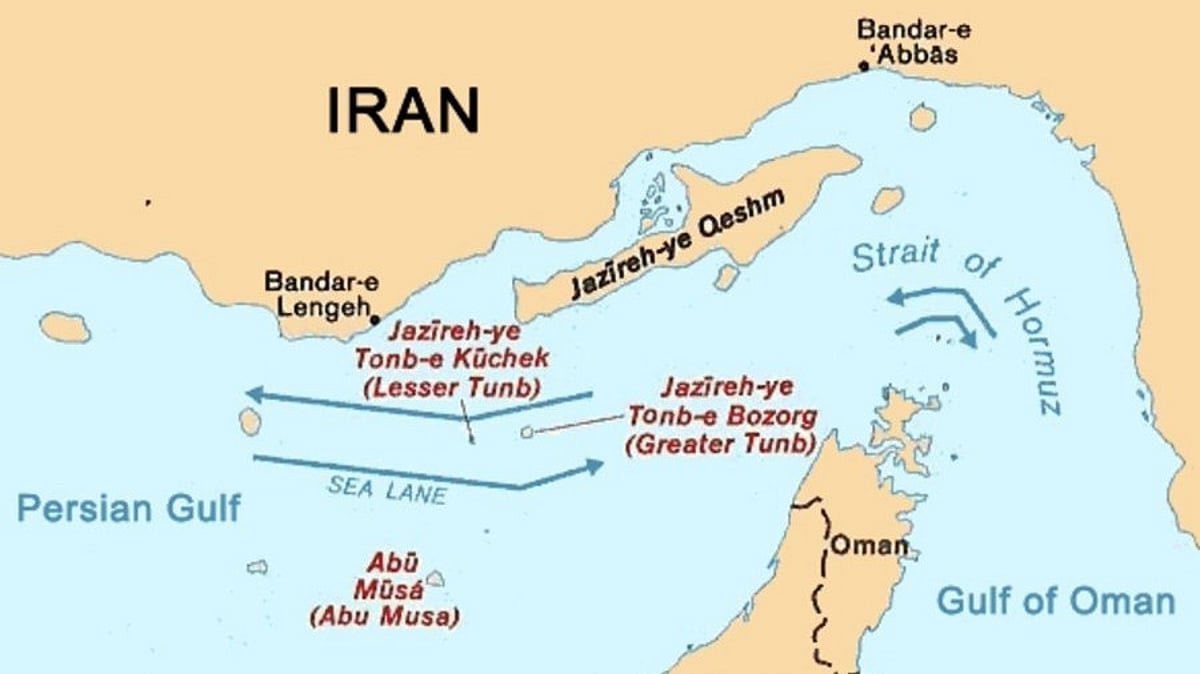
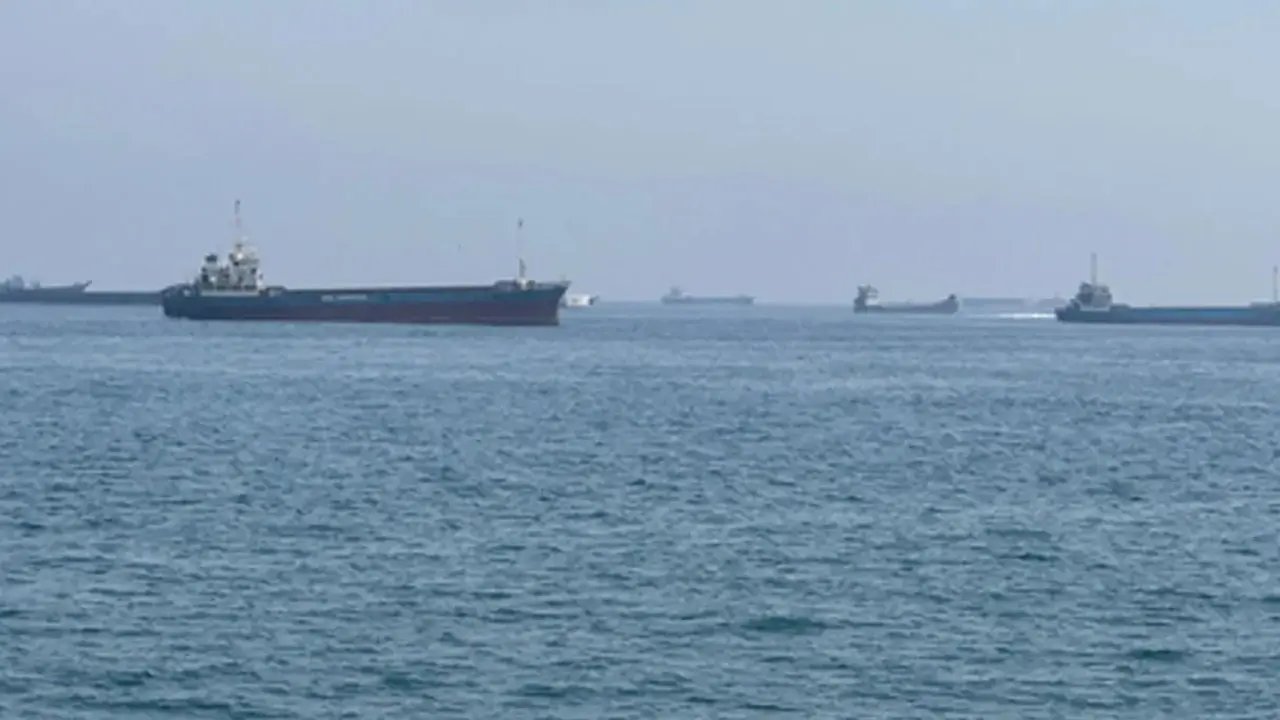
The International Transport Workers’ Federation (ITF) has identified three maritime regions as active war zones, which afford civilian seafarers enhanced rights and compensation. The first zone includes the Persian Gulf, the Strait of Hormuz, and the Gulf of Oman, where sailors are entitled to a bonus equal to their full wages, the right to refuse deployment, and repatriation at the shipowner’s expense, along with two months of severance pay.
The second zone encompasses the southern Red Sea, the Bab el-Mandeb Strait, and the Yemeni coast, where operations require Security Level 3 under the ISPS Code. This designation necessitates strict access controls, thorough inspections, and the ability to depart immediately. Seafarers in this area receive doubled compensation for death or disability, as well as full bonus wages.
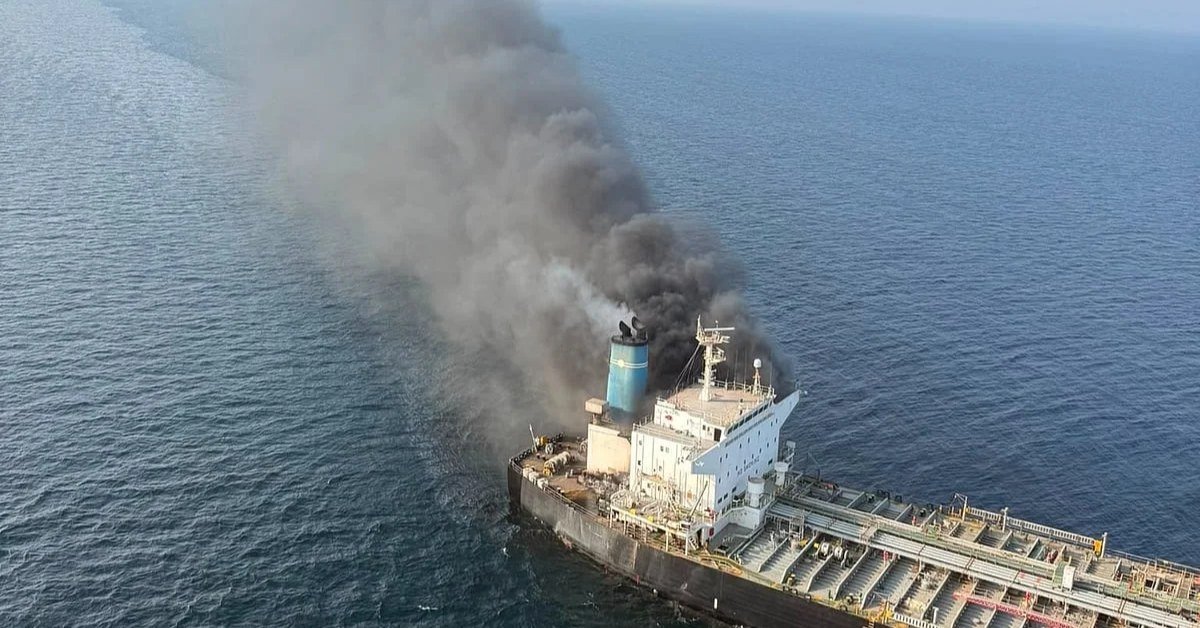
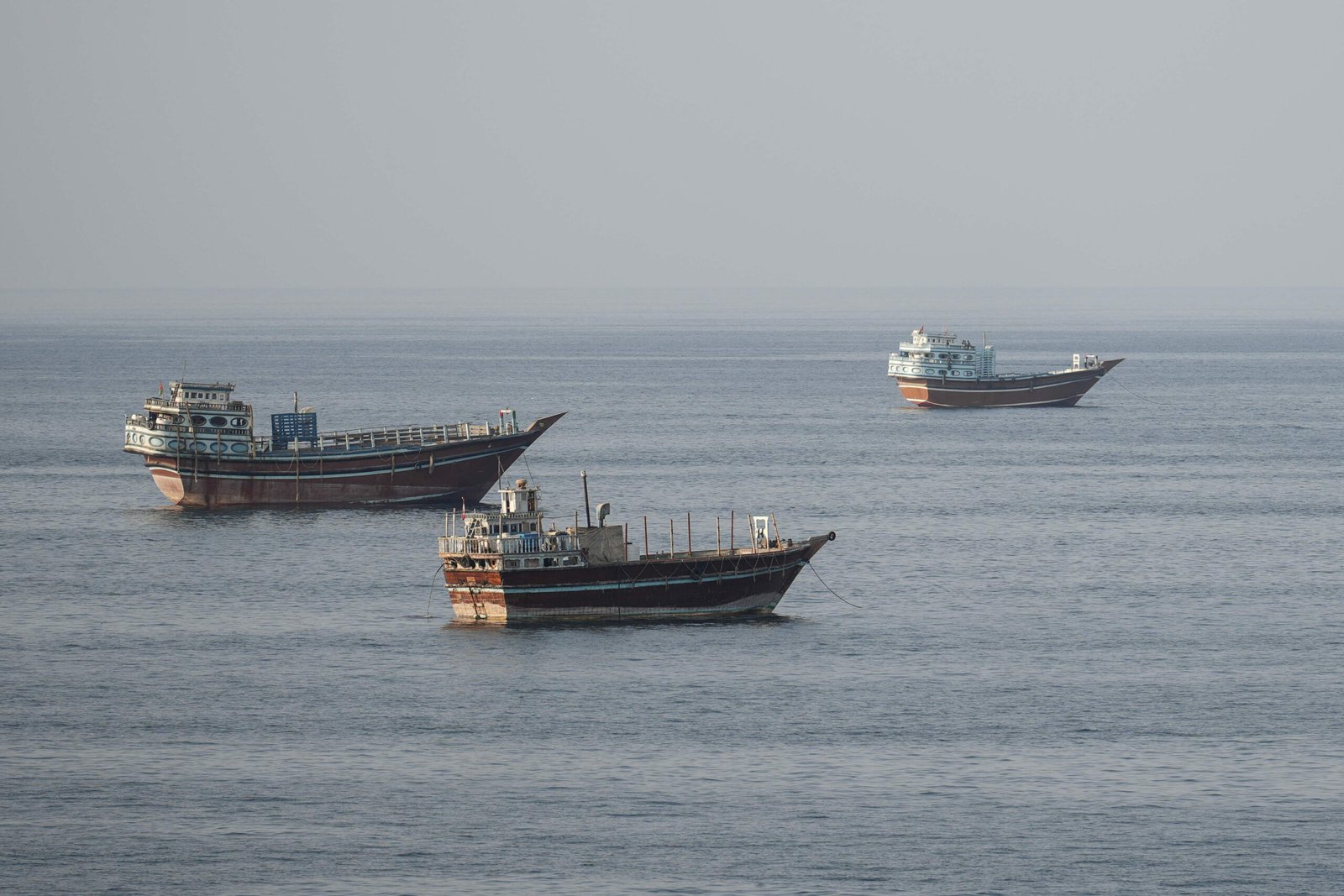
The third zone includes the northern Black Sea, Ukrainian ports, and the Sea of Azov, which are classified similarly as high-risk war zones, providing comparable rights and compensation for crew members. These heightened security measures follow the hijacking of the MT Eureka tanker off Yemen’s coast, where militants seized the vessel and its crew, including eight Egyptian sailors. Although diplomatic efforts successfully secured their release after months of detention, this incident has intensified calls for vigilance in global shipping routes.