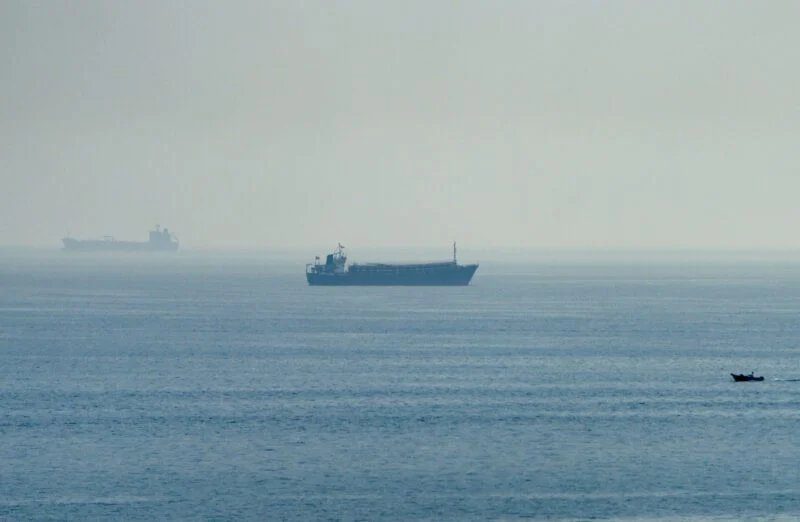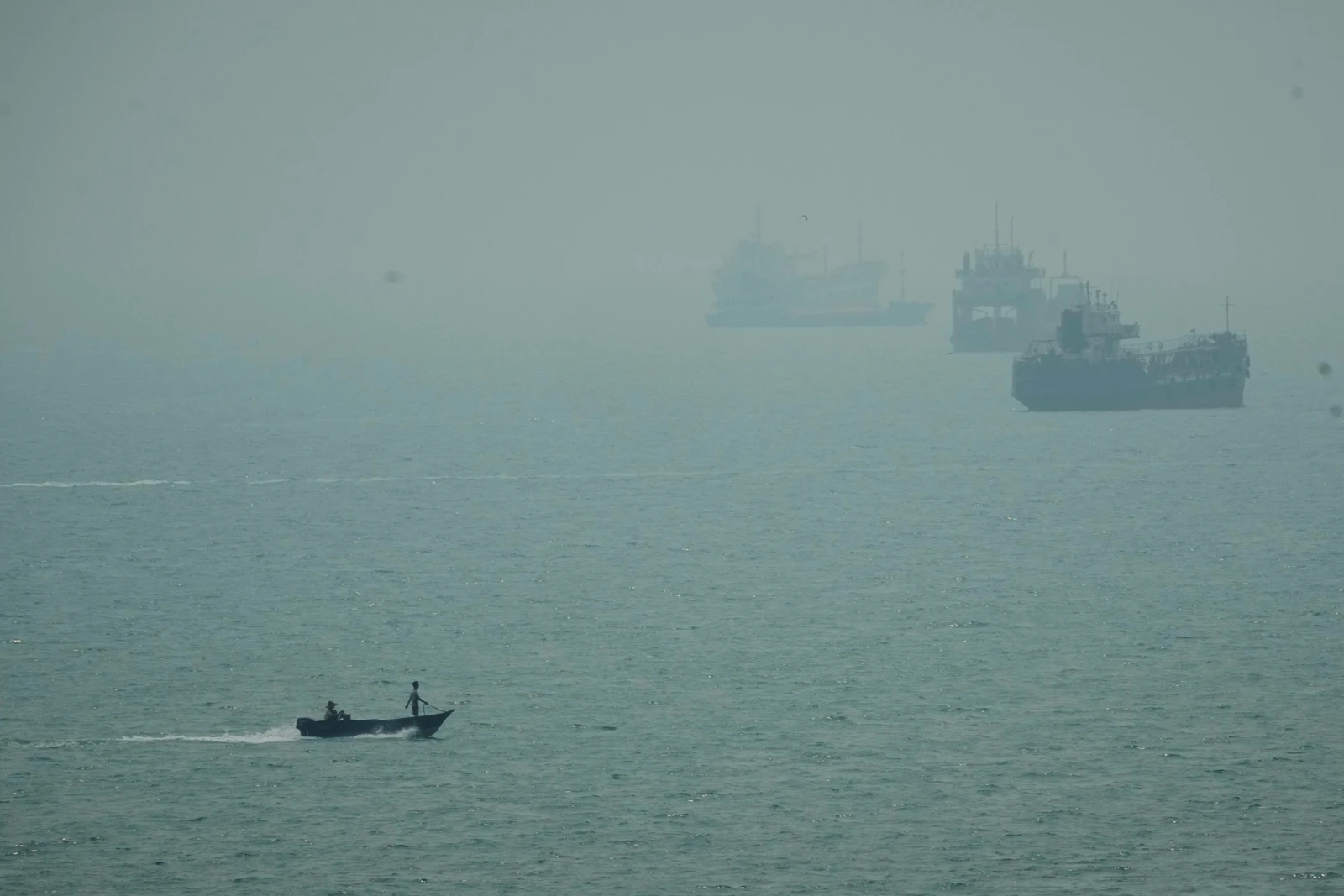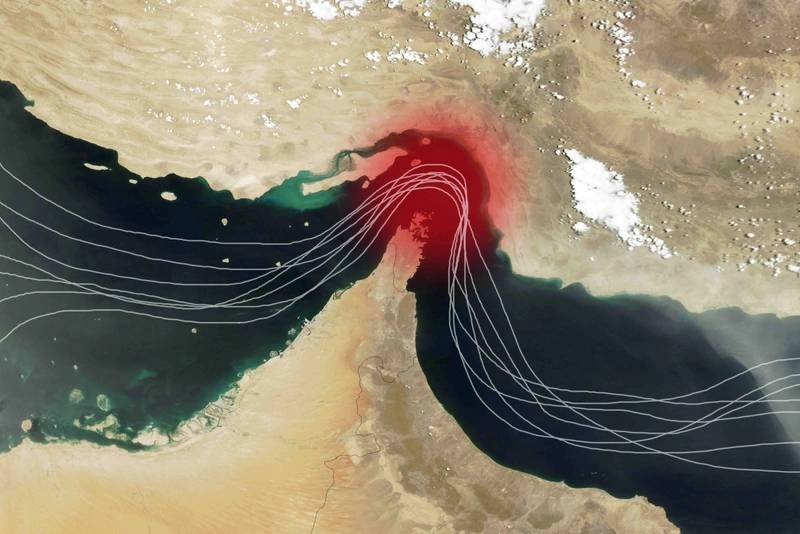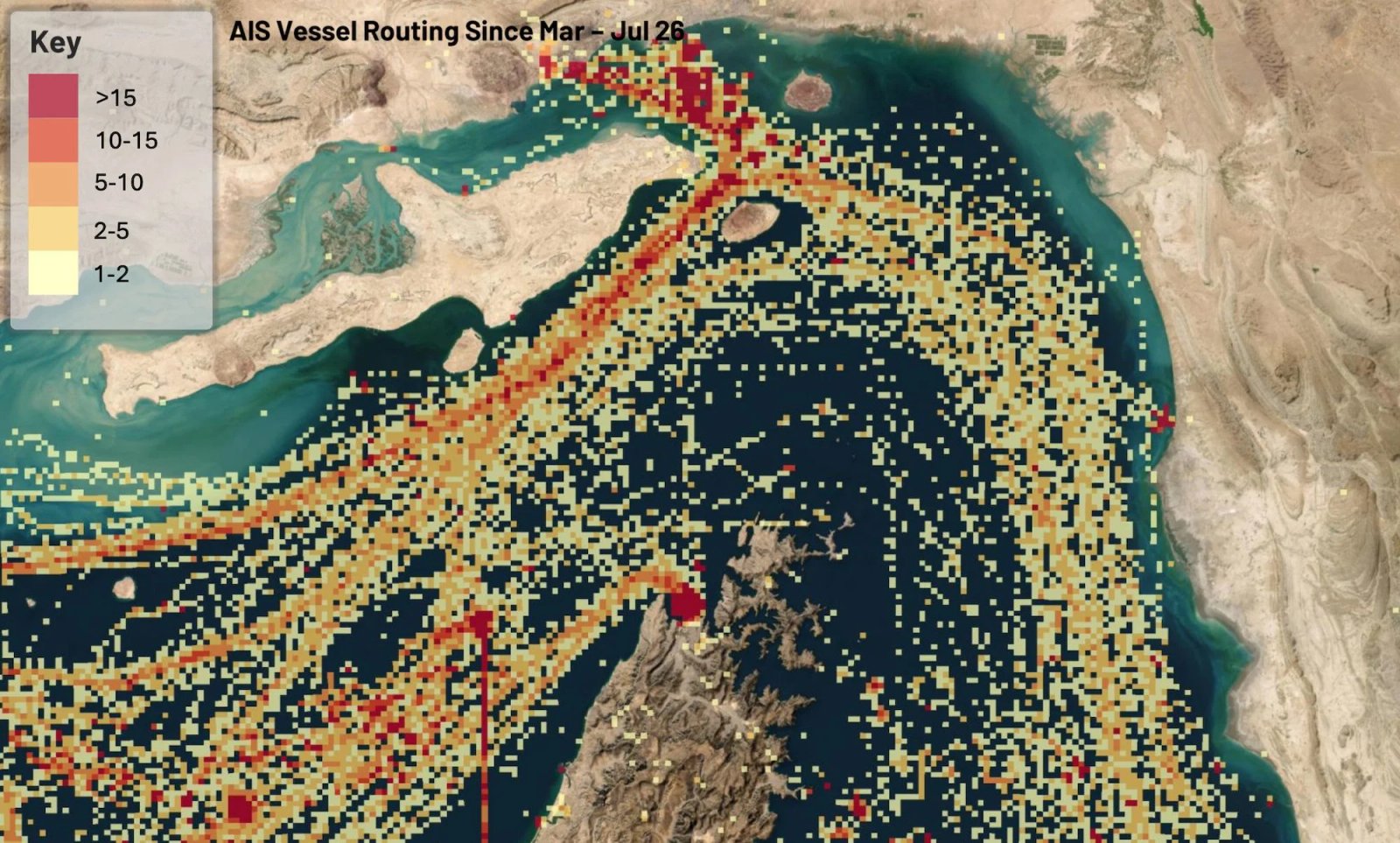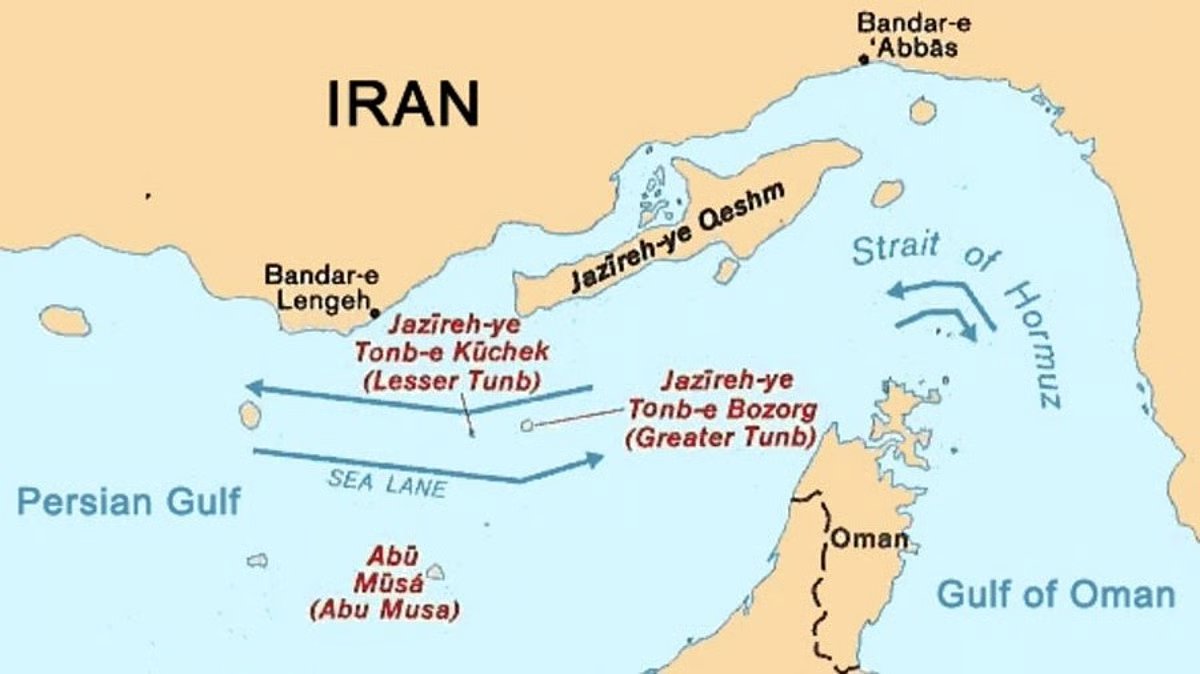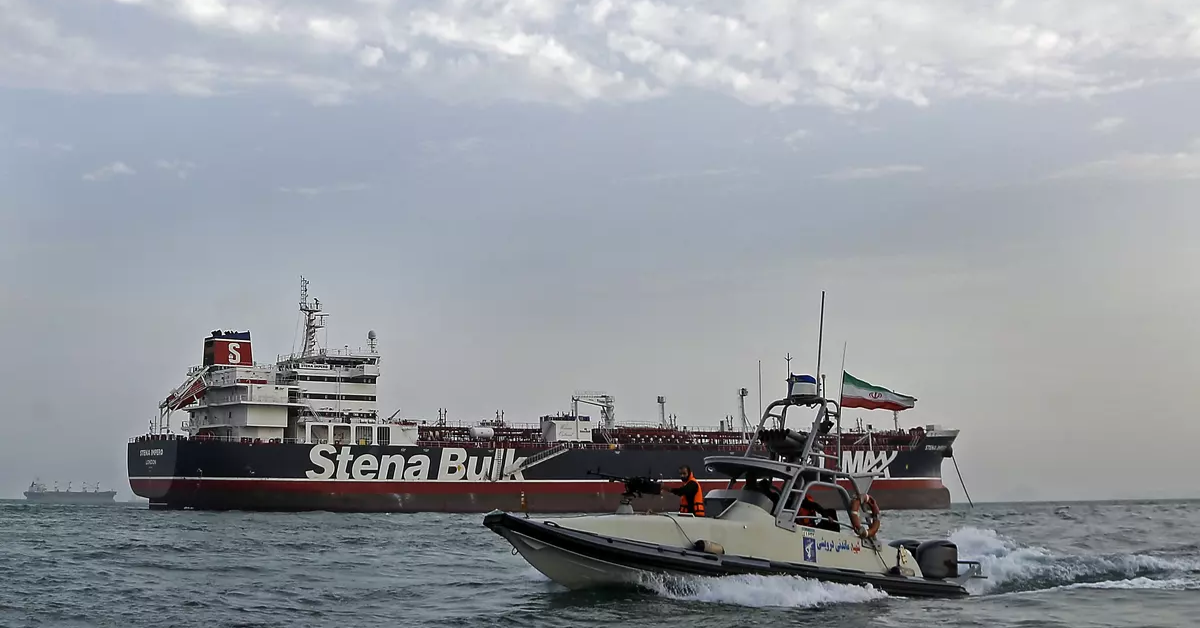
Iran has confirmed its first collection of toll revenue from vessels transiting the Strait of Hormuz, as announced by Deputy Parliament Speaker Hamidreza Haji Babaei. The toll proceeds have been deposited into the Central Bank of Iran, signifying a shift in Iran’s approach to the strait—transforming it from a security measure into a structured revenue-generating scheme for global shipping.
Details on the number of vessels paying the toll or the specific amounts charged remain unclear. Reports indicate that the toll system was initiated after the onset of the US-Israel conflict on February 28, requiring vessels to submit cargo manifests and obtain coded clearances, with fees reportedly reaching up to USD 2 million per crossing, paid in Chinese yuan. This move elevates the toll from operational practice to formal institutional recognition.
The establishment of these tolls carries significant implications for the global shipping sector and international maritime law. The Strait of Hormuz, under the United Nations Convention on the Law of the Sea, is an international strait where transit passage should not require payment to the coastal state. Iran’s toll collection challenges this framework and may encourage other nations controlling chokepoints to impose similar fees.
For shipping companies, these tolls introduce new costs into voyage calculations, potentially making routes through the Strait of Hormuz more expensive than alternative paths, such as the Cape of Good Hope. Given the already high shipping costs, the new toll could accelerate a shift towards rerouting, further complicating the dynamics of trade in the region.