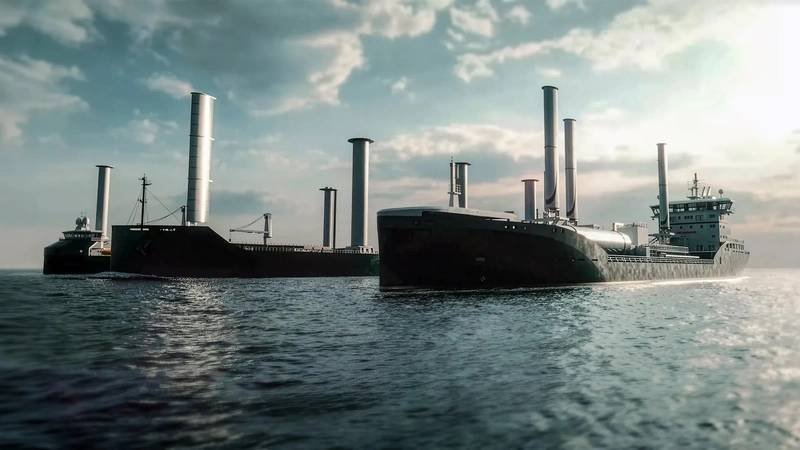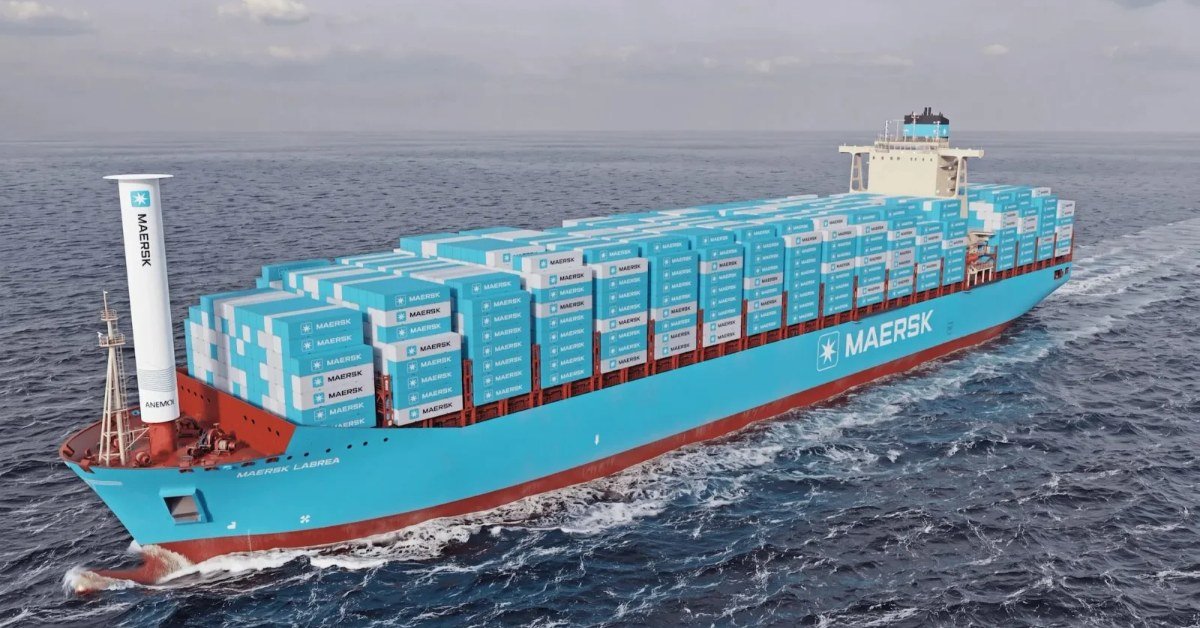
French shipowner LD Armateurs has successfully installed six large rotor sails on its new roll-on/roll-off vessel, Spirit of Toulouse, which is designed to transport aircraft components for Airbus across the Atlantic. This installation, carried out at a shipyard in Shanghai, makes the 168-meter ship the largest of its kind to feature wind-assisted propulsion, boasting more mechanical sails than any other vessel worldwide, as reported by LD Armateurs and Finnish firm Norsepower. Each rotor sail measures 35 meters tall and 5 meters in diameter, using wind to create additional thrust and decrease fuel consumption.
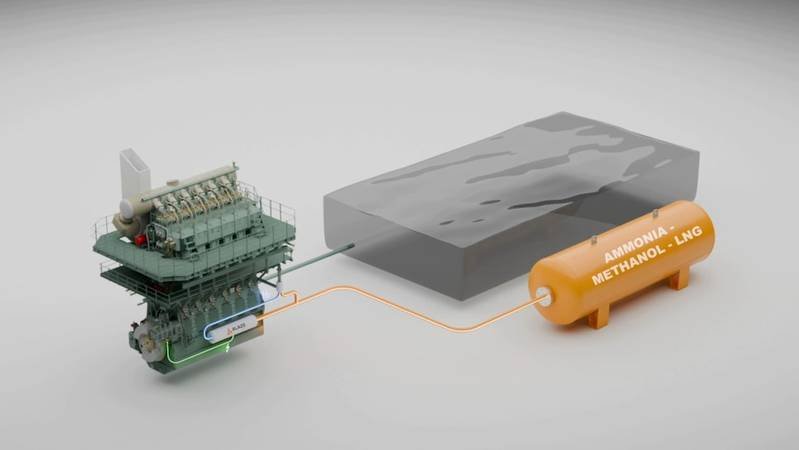
Additionally, the vessel is equipped with two dual-fuel main engines and two generator sets that can utilize e-methanol, bio-methanol, or marine diesel oil, aimed at reducing emissions and enhancing fuel efficiency without solely depending on alternative fuels. Spirit of Toulouse is the first of three sister ships built for LD Armateurs for Airbus, with Spirit of Mobile and Spirit of Mirabel soon following suit. These ships are set to replace Airbus’s current transatlantic fleet and are expected to cut the company’s annual emissions from shipping operations significantly by 2030.
As wind-assisted propulsion grows in popularity, its applications are no longer limited to isolated pilot projects. Recently, over 100 large commercial vessels have been fitted with wind propulsion systems, a remarkable increase from just 21 vessels in May 2022. This surge includes adaptations in various types of vessels, not only bulk carriers and tankers but increasingly among RoRo ships and ferries. The installation methods vary, showing diverse approaches to harnessing wind energy, from rotor sails utilizing the Magnus effect to rigid wings and suction sails.
Innovative trials, such as those conducted on the Maersk Pelican and Pyxis Ocean, have shown promising results, with significant reductions in fuel consumption. The performance of these technologies will further be assessed with additional Airbus vessels entering service, providing valuable insights into the efficacy of wind-assisted propulsion in commercial shipping.