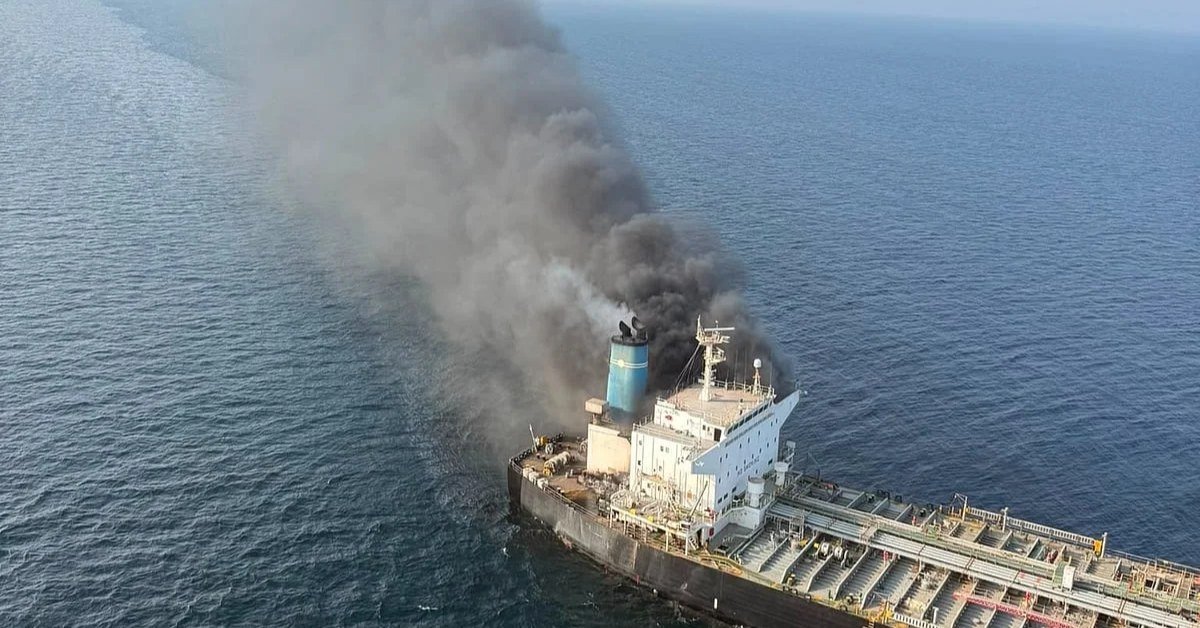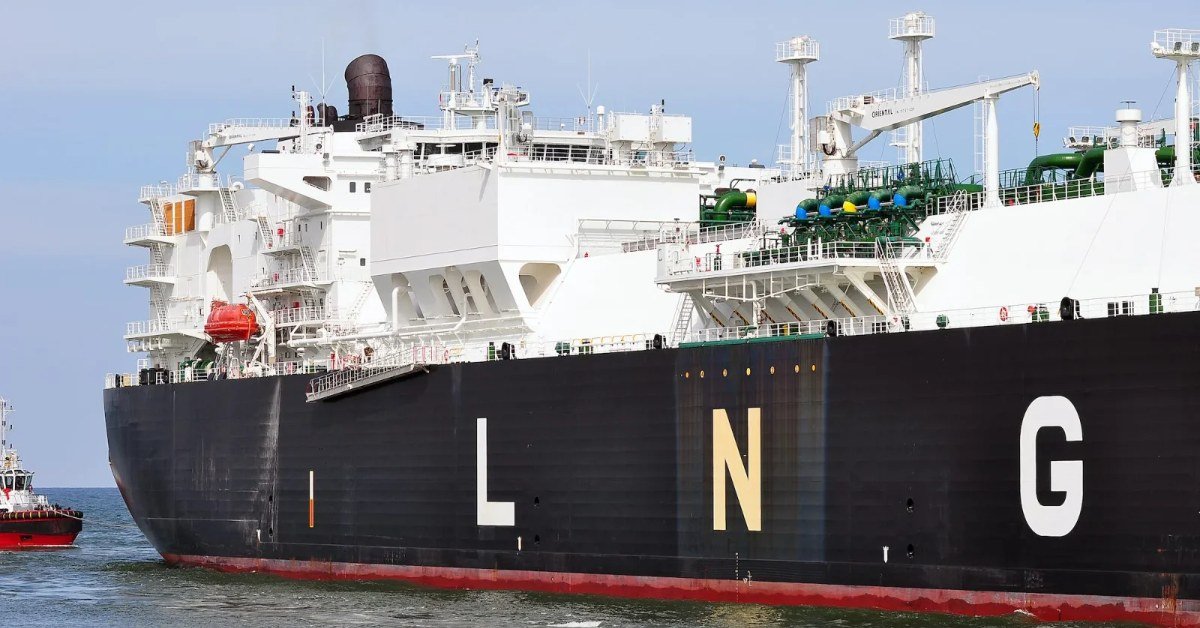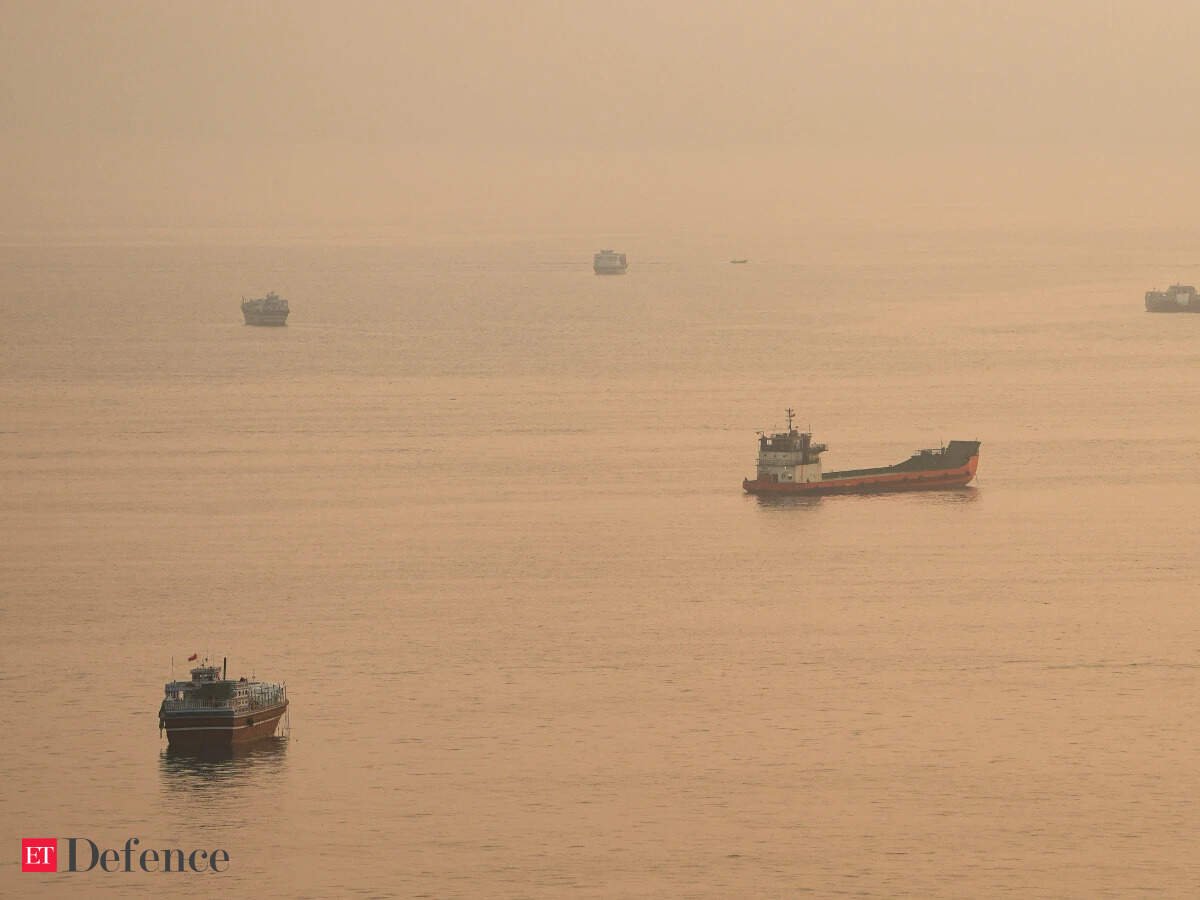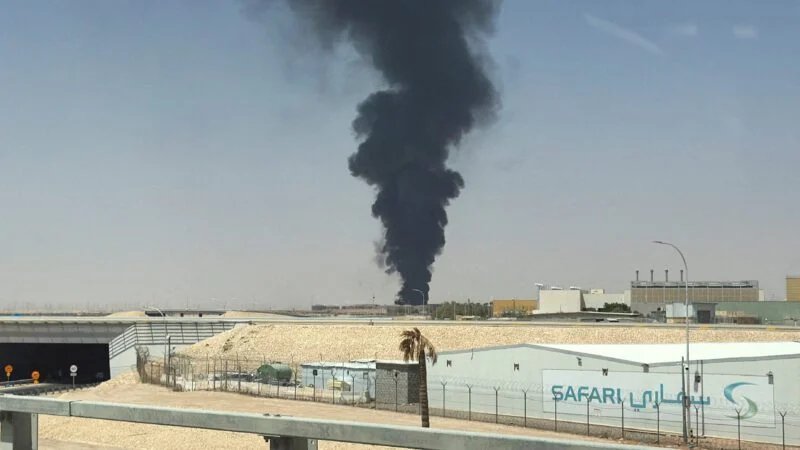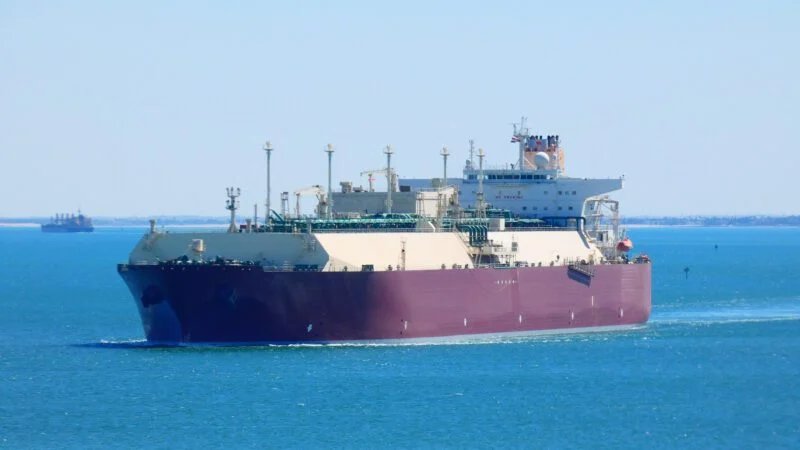
On July 29, explosions occurred at a natural gas loading port in Egypt’s Mediterranean region. A drone reportedly struck a U.S.-owned floating storage tanker in Damietta, igniting a blaze that extended to another vessel. British maritime security firm Ambrey confirmed the crew was evacuated, and the fire was controlled. There was no immediate claim of responsibility for the attack.
Simultaneously, the U.S. and Saudi Arabia launched strikes against Iran-backed paramilitary sites in Iraq, escalating tensions in the region. President Donald Trump declared intentions to retaliate against Iran after recent drone assaults on U.S. and Saudi targets. Following these military actions, oil prices surged, highlighting the ongoing instability of a conflict that has been persisting for five months, contrary to initial expectations.
The assault on Iraq marks a significant collaboration between the U.S. and Saudi Arabia, potentially extending the conflict involving various sectarian groups. Iraqi Prime Minister Ali al-Zaidi urged restraint while condemning the U.S.-Saudi strikes as violations of Iraqi sovereignty. Iran’s involvement in these conflicts has introduced further complexities into Iraq’s delicate political landscape, as evidenced by widespread sectarian demonstrations following the attacks.
In the days leading up to the strikes, there were reports of Iranian actions targeting U.S. forces in the region. This escalation originates from a collapsing interim agreement, underscoring the challenges of managing tensions in this strategically vital area. The situation continues to evolve, with repercussions felt beyond the immediate conflicts.